
What to Do Immediately After the Death of a Loved One
immediately
When a loved one dies, time can feel as if it stops. The mind may refuse to believe it, the body may not respond, and inside there is only one thought: “This can’t be happening…”
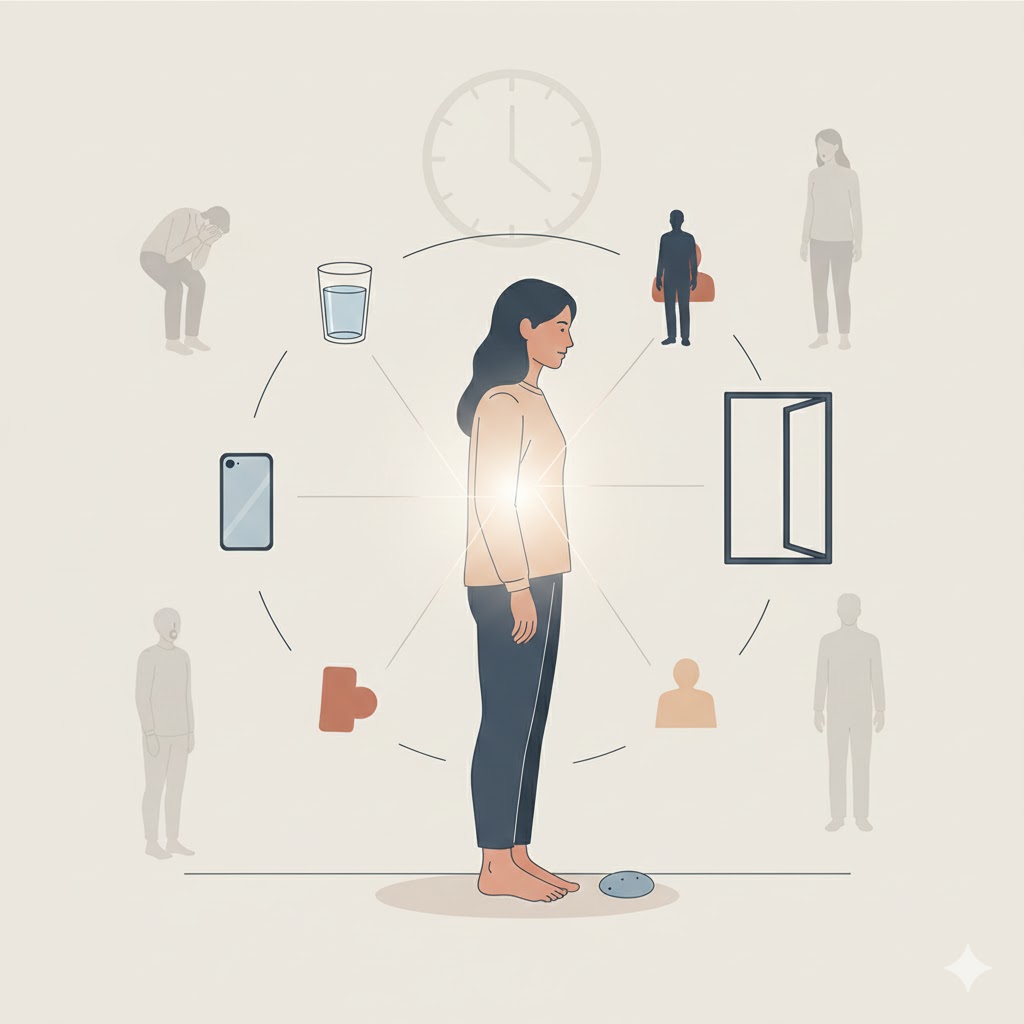
Your reaction is natural - biological and psychological.
Some people freeze. Some cry or scream. Others feel absolutely nothing.
All of this is normal.
Right now, your brain is protecting you from pain that cannot be fully absorbed at once.
The main task in the first minutes is to stay safe, stay grounded, and wait for help.
1. Make Sure You Are Safe
If the death happened suddenly, look around:
• open flames?
• water hazards?
• electrical risks?
• anything that could harm you?
If everything is calm, take a step back and breathe.
If you feel cold - wrap yourself in something warm.
If you feel overheated - open a window.
This is the first step toward stabilization:
your body needs to sense that immediate danger has passed.
2. Call Emergency Services
Call your local emergency number and follow the dispatcher’s instructions:
• 112 in most European countries
• 999 in the UK
Say briefly and clearly:
“A person has died / is not breathing. I need urgent help. This is the address: …”
You do not need to explain everything in detail.
Give the address, the person’s name (if asked), and answer only the necessary questions.
Once you have made the call, your primary task is done.
Procedures after a death can vary by country. Follow local guidance and the instructions you are given.
3. Allow Your Body to React
Shaking, nausea, sweating, cold hands - this is not weakness.
It is a normal physiological response to acute stress.
Help your body cope:
• move your fingers and toes;
• walk slowly around the room;
• shake out your hands or shoulders;
• say to yourself: “I am alive. I am here.”
Movement helps release excess adrenaline and prevents freezing in shock.
4. Breathe
Try breathing in a 4–6 rhythm:
• inhale for 4 counts,
• exhale for 6 counts.
Repeat 5 times.
A longer exhale reduces panic and supports self-regulation.
5. Calm the Nervous System Through Simple Actions
If you can - drink some warm water.
If not - simply hold a cup or bottle in your hands.
Look around and name:
• 3 things you can see,
• 2 sounds you can hear,
• 1 physical sensation in your body.
This is grounding - a technique that brings you back into the present moment.
6. If Emotions Come - Let Them Out
• Cry if you need to.
• Scream - into a pillow, in a car, or outside, if possible and safe.
• Or exhale with sound: “aaa…”, “uuu…”.
Voice and sound help release tension and reduce internal shutdown.
7. If You Cannot Sit Still - Move
Walk around the room, touch objects, name what you see.
Repeat a short phrase:
“Help is on the way. I am not alone.”
Rhythm helps stabilize your state while you wait.
8. Do Not Stare at the Body Constantly
If it is too difficult, gently cover the person with a light blanket.
This is not disrespect.
It is care - for yourself and for them.
If you are unsure about what happened, do not move the body and wait for professionals.
9. When Professionals Arrive
Answer briefly and to the point.
If you feel faint or unstable, say:
“I need to sit down. I feel weak.”
This is normal.
No heroism is required.
Simple Techniques to Stay Grounded
• Press your palms together and then release them - this helps restore bodily control.
• Wash your face alternately with warm and cool water - contrast brings you back to the present.
• Count objects around you - windows, tiles, chairs - simple counting focuses attention.
• If you are religious, pray or repeat familiar words - ritual can give structure to chaos.
• Say simple phrases out loud:
“I did everything I could.”
“Help is on the way.”
“I am holding on.”
These techniques can be used until help arrives. They help maintain contact with reality and reduce shock.
Important to Remember
The death of a loved one is an extreme form of stress.
There is no “right” reaction.
Your body and psyche are doing everything possible to help you survive this moment.
Right now, the priority is:
• safety,
• breathing,
• movement,
• and not being isolated.
Everything else can be handled later.
Common Questions
What if the death happened at home and I am alone?
• Call 112 (EU) / 999 (UK) and follow instructions.
• Turn on the lights, open a window if it helps, sit down.
• Call someone you trust so you are not alone.
I feel nothing at all. Is this normal?
Yes. This can be a protective response. Emotions may come later.
What if I feel physically unwell (shaking, dizziness, weakness)?
Sit down, lean back, drink water, breathe slowly.
If it worsens, tell the professionals when they arrive.
Can I touch the deceased?
If it feels important, you may gently touch them.
But if you are uncertain about the situation, avoid moving the body and wait for professionals.
Some people freeze. Some cry or scream. Others feel absolutely nothing.
All of this is normal.
Right now, your brain is protecting you from pain that cannot be fully absorbed at once.
The main task in the first minutes is to stay safe, stay grounded, and wait for help.
1. Make Sure You Are Safe
If the death happened suddenly, look around:
• open flames?
• water hazards?
• electrical risks?
• anything that could harm you?
If everything is calm, take a step back and breathe.
If you feel cold - wrap yourself in something warm.
If you feel overheated - open a window.
This is the first step toward stabilization:
your body needs to sense that immediate danger has passed.
2. Call Emergency Services
Call your local emergency number and follow the dispatcher’s instructions:
• 112 in most European countries
• 999 in the UK
Say briefly and clearly:
“A person has died / is not breathing. I need urgent help. This is the address: …”
You do not need to explain everything in detail.
Give the address, the person’s name (if asked), and answer only the necessary questions.
Once you have made the call, your primary task is done.
Procedures after a death can vary by country. Follow local guidance and the instructions you are given.
3. Allow Your Body to React
Shaking, nausea, sweating, cold hands - this is not weakness.
It is a normal physiological response to acute stress.
Help your body cope:
• move your fingers and toes;
• walk slowly around the room;
• shake out your hands or shoulders;
• say to yourself: “I am alive. I am here.”
Movement helps release excess adrenaline and prevents freezing in shock.
4. Breathe
Try breathing in a 4–6 rhythm:
• inhale for 4 counts,
• exhale for 6 counts.
Repeat 5 times.
A longer exhale reduces panic and supports self-regulation.
5. Calm the Nervous System Through Simple Actions
If you can - drink some warm water.
If not - simply hold a cup or bottle in your hands.
Look around and name:
• 3 things you can see,
• 2 sounds you can hear,
• 1 physical sensation in your body.
This is grounding - a technique that brings you back into the present moment.
6. If Emotions Come - Let Them Out
• Cry if you need to.
• Scream - into a pillow, in a car, or outside, if possible and safe.
• Or exhale with sound: “aaa…”, “uuu…”.
Voice and sound help release tension and reduce internal shutdown.
7. If You Cannot Sit Still - Move
Walk around the room, touch objects, name what you see.
Repeat a short phrase:
“Help is on the way. I am not alone.”
Rhythm helps stabilize your state while you wait.
8. Do Not Stare at the Body Constantly
If it is too difficult, gently cover the person with a light blanket.
This is not disrespect.
It is care - for yourself and for them.
If you are unsure about what happened, do not move the body and wait for professionals.
9. When Professionals Arrive
Answer briefly and to the point.
If you feel faint or unstable, say:
“I need to sit down. I feel weak.”
This is normal.
No heroism is required.
Simple Techniques to Stay Grounded
• Press your palms together and then release them - this helps restore bodily control.
• Wash your face alternately with warm and cool water - contrast brings you back to the present.
• Count objects around you - windows, tiles, chairs - simple counting focuses attention.
• If you are religious, pray or repeat familiar words - ritual can give structure to chaos.
• Say simple phrases out loud:
“I did everything I could.”
“Help is on the way.”
“I am holding on.”
These techniques can be used until help arrives. They help maintain contact with reality and reduce shock.
Important to Remember
The death of a loved one is an extreme form of stress.
There is no “right” reaction.
Your body and psyche are doing everything possible to help you survive this moment.
Right now, the priority is:
• safety,
• breathing,
• movement,
• and not being isolated.
Everything else can be handled later.
Common Questions
What if the death happened at home and I am alone?
• Call 112 (EU) / 999 (UK) and follow instructions.
• Turn on the lights, open a window if it helps, sit down.
• Call someone you trust so you are not alone.
I feel nothing at all. Is this normal?
Yes. This can be a protective response. Emotions may come later.
What if I feel physically unwell (shaking, dizziness, weakness)?
Sit down, lean back, drink water, breathe slowly.
If it worsens, tell the professionals when they arrive.
Can I touch the deceased?
If it feels important, you may gently touch them.
But if you are uncertain about the situation, avoid moving the body and wait for professionals.